





ELTRA offers a comprehensive elemental analyzer portfolio for precise, fast, and reliable element analysis. Our range includes combustion analyzers for carbon and sulfur determination, as well as inert gas fusion and heat extraction analyzers for oxygen, nitrogen, and hydrogen.
ELTRA also provides Dumas analyzers for protein measurement, solutions for thermogravimetric analysis (TGA), and systems for TOC/TIC determination, plus dedicated element analyzer solutions for demanding applications performed in glove boxes. Every ELTRA elemental analyzer is built for robust operation, high accuracy, and efficient workflows, supporting laboratories in research, quality control, and production across a wide range of sample types.
Carbon / Hydrogen / Sulfur
analysis of organic and inorganic samples

Oxygen / Nitrogen / Hydrogen
analysis of inorganic samples

Thermogravimetric analysis of
organic and inorganic samples

To ensure maximum performance, ELTRA supplies consumables for every elemental analyzer in its portfolio. These include crucibles, accelerators, reagents, chemicals, boats, foils, tubes, traps, and calibration materials tailored to specific analytical tasks.
Using original consumables with your element analyzer supports consistent results, improved reproducibility, and reduced maintenance issues.
ELTRA consumables are developed for seamless compatibility with our instruments, helping laboratories maintain efficient workflows and dependable day-to-day operation. For routine measurements and demanding applications alike, the right consumables are essential for accurate and reliable elemental analysis.


5000+ Installed products

40+ Years of experience

70+ Employees

50+ Worldwide partners
Elements and Materials
An ELTRA elemental analyzer is ideal for determining carbon, sulfur, hydrogen, nitrogen, oxygen, and related parameters in a wide range of organic and inorganic samples.
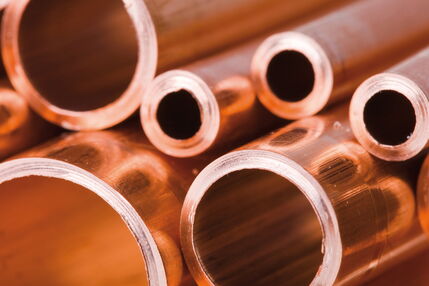
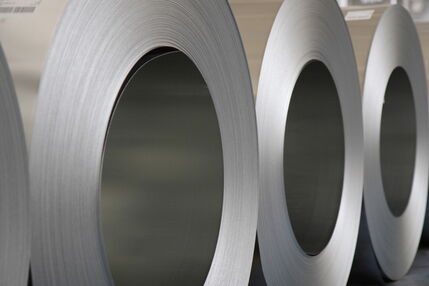
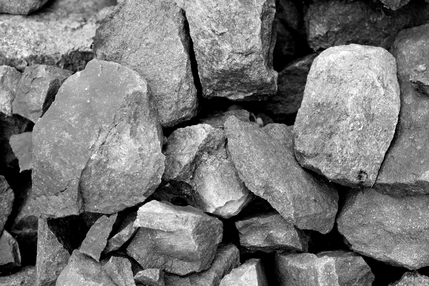
Typical organic samples include food, feed, coal, coke, and other fuels. Inorganic samples encompass steel, ceramics, ores, cement, glass, chemicals, soils, minerals, and other industrial materials. Each element analyzer is engineered to support reliable analysis across diverse materials and concentration ranges.







Special Applications
ELTRA provides elemental analyzer solutions for special applications that require precision under challenging conditions. These include batteries, catalysts, refractory materials, high-carbon and high-sulfur samples, petrochemical products, TOC/TIC analysis, environmental samples, and fine powders. In addition, special configurations for O/N/H and C/S analysis in glove boxes are available.
Our element analyzer systems are built to manage difficult matrices, varying concentrations, and demanding workflows with excellent reproducibility. For laboratories focused on protein determination, ELTRA offers reliable nitrogen analysis to support consistent and efficient testing. This makes ELTRA a trusted partner for advanced material characterization, product development, and strict quality assurance across specialized analytical environments.
Contact us for a free consultation
ELTRA products and services are available via a global network of daughter companies and fully trained distributors. Our staff will be happy to assist with any inquiry you might have.
Contact us for a free consultation and talk to a product specialist to find the most suitable solution for your application needs


Industries
An ELTRA elemental analyzer is used across many industries where accurate elemental data is essential. In metals and steel production, it supports quality assurance and process control. In mining, cement, and construction materials, it helps verify raw materials and finished products. In energy, coal, and petrochemicals, an element analyzer is used to characterize fuels and process materials.
ELTRA also supports the food industry, where elemental and nitrogen analysis are important for quality assurance and protein determination. In the fertilizer and agriculture sectors, ELTRA analyzers help assess nutrient-related parameters and product consistency. Environmental laboratories, universities, and contract labs also rely on these systems for routine and research analysis.
FAQ : Elemental Analyzers
What is an elemental analyzer?
An elemental analyzer is an instrument used to measure the concentration of elements such as carbon, sulfur, nitrogen, hydrogen, and oxygen in predominantly solid or selected liquid samples. It provides accurate elemental composition data for quality control, research, process optimization, and regulatory compliance.
How does an element analyzer work?
An element analyzer typically works by combustion, fusion, or thermal decomposition. During this process, the sample is heated until the target elements are released as gases. These gases are then measured using infrared (IR) and/or thermal conductivity (TCD) detectors to determine the elemental composition of the sample.
Why use an elemental analyzer?
An elemental analyzer provides accurate and reliable elemental analysis from the lower ppm range up to 100%. It is easy to operate and can analyze a wide variety of sample types, including powders, wires, pastes, and solid pieces. This makes it an ideal solution for quality control, research, compliance, and process optimization across many industries.
When is an element analyzer used?
Elemental analyzers are used whenever reliable elemental composition data is required for raw materials, finished products, research samples, or production control. They are also specified in many international standards, such as ASTM E1019, and are frequently used to verify results obtained with techniques such as XRF, OES, or Kjeldahl analysis.
Where is an elemental analyzer used?
Elemental analyzers are used in research, quality control, and production laboratories across a wide range of industries, including metals, mining, cement, energy, petrochemicals, environmental testing, food, agriculture, universities, and contract laboratories. They are also used directly in production environments, for example near blast furnaces, where fast and reliable elemental analysis supports process control.