




Food Protein Analysis by Dumas Combustion
Determine nitrogen, protein and carbon in food samples in just 2 minutes and 30 seconds per sample with the ELEMENTRAC CN-r.
The Dumas combustion method determines protein content in food by measuring total nitrogen and converting it into protein using established conversion factors.
Food laboratories need fast, reproducible protein data for nutritional labeling, quality control, supplier qualification and batch-to-batch consistency. The ELEMENTRAC CN-r uses the Dumas combustion method to measure total nitrogen and carbon in solid, liquid and paste-like food samples, then supports protein determination through established nitrogen-to-protein conversion factors.
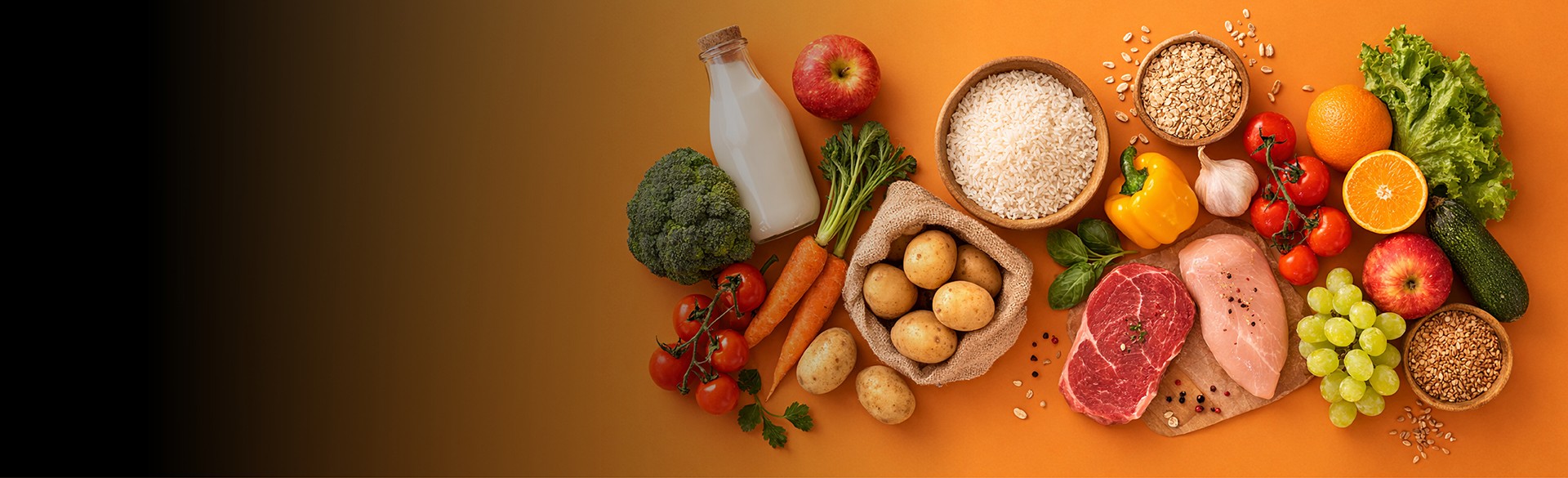
Designed for routine food quality control, the analyzer supports a wide range of matrices, including cereals, flour, seeds, dairy products, meat products, rice and processed foods.
- Fast Dumas analysis: results in 2 minutes and 30 seconds per sample
- Protein determination: nitrogen-to-protein calculation using established factors
- Multiple food matrices: cereals, flour, seeds, dairy, meat, rice and processed foods
- Reliable QA/QC workflow: suitable for labeling, supplier checks and batch consistency
- Carbon and nitrogen analysis: one analytical platform for key food composition parameters
How can food laboratories determine protein content faster?
Food laboratories need reliable protein results without slowing down quality control, labeling or production decisions. Traditional wet chemistry methods such as Kjeldahl are established, but they can be time-consuming and require intensive sample preparation. For high-throughput food laboratories, faster nitrogen-to-protein analysis helps reduce bottlenecks while supporting consistent product quality.
Protein content is one of the key parameters in food analysis. It is required for nutritional labeling, raw material inspection, supplier qualification, recipe control and batch-to-batch consistency. The challenge is that food samples can vary widely in composition, texture and matrix: from cereals, flour and seeds to meat, dairy products, rice and processed foods.
Food laboratories need protein analysis that is:
- Fast, to support production and batch release
- Reproducible, for reliable quality control data
- Flexible, across solid, liquid and paste-like food samples
- Suitable for routine use, with reduced manual handling
- Relevant for labeling, formulation and supplier checks
Want to evaluate a faster alternative to Kjeldahl?
The Dumas Method: Fast Nitrogen-to-Protein Determination
The Dumas method determines protein content in food by measuring total nitrogen and converting it into protein using established nitrogen-to-protein conversion factors. During the analysis, the complete food sample is combusted at high temperature, and nitrogen compounds are converted into measurable nitrogen gas.
For food laboratories, the Dumas combustion method offers a fast and reproducible approach to protein analysis. It is especially suitable for routine quality control, where many different food matrices need to be tested quickly and consistently, from cereals, flour and seeds to dairy products, meat products, rice and processed foods.
Both Dumas and Kjeldahl determine total nitrogen, which is then converted into protein content using a specific conversion factor. The difference is in the workflow: while Kjeldahl is based on wet chemistry, the Dumas method uses combustion analysis, enabling significantly shorter analysis times and a more automated laboratory process.
With the ELEMENTRAC CN-r, nitrogen/protein and carbon results are available in just 2 minutes and 30 seconds per sample. This makes the method well suited for high-throughput food laboratories that need fast results for nutritional labeling, supplier qualification, batch release and product consistency checks.
Key advantages
- Fast protein analysis based on total nitrogen determination
- Dumas combustion method suitable for routine food quality control
- Nitrogen-to-protein conversion using established food-specific factors
- High-throughput workflow for laboratories processing many samples per day
- Carbon and nitrogen analysis in one analytical system
- Reduced manual handling compared with traditional wet chemistry workflows

Before Protein Analysis: Representative Sample Preparation
Reliable Dumas protein analysis starts with representative sample preparation. Food matrices such as grains, meat, cheese, seeds and processed products often require homogenization or size reduction before elemental analysis. RETSCH laboratory mills support reproducible food sample preparation for downstream analytical workflows.

Why Measure Carbon and Nitrogen in Food Samples?
Carbon and nitrogen provide complementary information for food quality control. Nitrogen is the basis for protein determination, while carbon reflects the total organic composition of a food sample, including carbohydrates, fats, proteins and organic acids. Measuring both parameters helps laboratories monitor nutritional value, formulation stability, batch-to-batch consistency and processing effects.
In food analysis, nitrogen is directly linked to protein content because proteins contain nitrogen in the form of amino acids. By measuring total nitrogen and applying established nitrogen-to-protein conversion factors, laboratories can determine the protein content of different food matrices such as milk, cereals, rice, wheat flour, soybeans, nuts and seeds.
Carbon analysis adds another layer of quality information. Since carbon is the main structural element of organic compounds, total carbon can be used as an indicator of organic composition and product consistency. Stable carbon values in flour or starch-based products, for example, may indicate consistent carbohydrate composition. In processed foods, changes in total carbon content can support the investigation of formulation differences, moisture loss or processing effects.
Together, carbon and nitrogen analysis supports routine food quality control, supplier qualification, product grading, nutritional labeling and production monitoring.
Common conversion factors depend on the food matrix. For example, milk typically uses a factor of 6.38, rice 5.95, wheat flour 5.70, and soybeans 5.71. Choosing the correct factor is important because different food proteins have different nitrogen contents.
The general calculation is: Protein (%) = Nitrogen (%) × Conversion Factor
| Foods | Factor |
|---|---|
| Milk | 6.38 |
| Barley, oats, rye | 5.83 |
| Rice | 5.95 |
| Wheat flour | 5.70 |
| Soybeans | 5.71 |
| Nuts and seeds | 5.30 |

Nitrogen for Protein Determination
Nitrogen analysis is used to determine protein content in food samples. This is essential for nutritional labeling, raw material inspection, supplier qualification and product value assessment. In wheat and flour products, protein content also influences baking quality and dough properties. In dairy, meat and animal feed applications, protein values are closely linked to product grade, formulation and pricing.
Carbon for Composition and Consistency Control
Total carbon analysis helps laboratories monitor the organic composition of food samples. It can support batch-to-batch consistency checks, formulation control and process monitoring in products such as flour, starch-based foods, roasted cereals, coffee and baked goods.
| Parameter | What it indicates | Typical use in food QC |
|---|---|---|
| Nitrogen | Basis for protein determination | Nutritional labeling, supplier checks, product grading |
| Protein | Calculated from nitrogen using conversion factors | Quality control, formulation, market value |
| Carbon | Total organic composition | Batch consistency, formulation control, process monitoring tency, formulation control, process monitoring |
| Carbon + Nitrogen | Broader view of food composition | Routine QA/QC, production monitoring, troubleshooting |
Dumas vs Kjeldahl for Food Protein Analysis
The Dumas and Kjeldahl methods both determine protein content indirectly by measuring total nitrogen and converting it into protein with a suitable conversion factor. For routine food quality control, Dumas analysis is often the faster and more automated option, while Kjeldahl remains an established wet chemistry method used in many laboratories.
For many years, Kjeldahl has been one of the traditional methods for protein determination in food. It is based on wet chemistry and is widely recognized in routine laboratories. However, food producers and quality control laboratories increasingly need faster analysis, higher sample throughput and safer workflows.
The Dumas combustion method addresses these needs by combusting the complete sample at high temperature and converting nitrogen compounds into measurable nitrogen gas. The result is then used to calculate protein content through established nitrogen-to-protein conversion factors.
With the ELEMENTRAC CN-r, nitrogen/protein and carbon results are available in just 2 minutes and 30 seconds per sample, making Dumas analysis particularly suitable for high-throughput food laboratories working with cereals, flour, seeds, meat products, dairy products, rice and processed foods.
| Parameter | Dumas method | Kjeldahl method |
|---|---|---|
| Analytical principle | Combustion analysis of the complete sample | Wet chemistry digestion and nitrogen determination |
| Measured value | Total nitrogen, converted into protein | Total nitrogen, converted into protein |
| Protein calculation | Nitrogen × conversion factor | Nitrogen × conversion factor |
| Analysis time | Results in minutes | Typically longer workflow |
| Automation | Highly suitable for automated high-throughput analysis | More manual preparation and handling |
| Chemicals | No aggressive wet chemistry required | Requires chemical digestion |
| Sample throughput | Suitable for high-throughput laboratory workflows | Lower throughput due to longer workflow |
| Best fit | Routine food QC, batch release, labeling, supplier checks | Established laboratories using traditional wet chemistry workflows |
| Additional value | Carbon and nitrogen analysis in one system with ELEMENTRAC CN-r | Focused on nitrogen/protein determination |
For laboratories that need fast and reproducible protein data, Dumas analysis offers a practical alternative to traditional wet chemistry. It reduces analysis time, supports automation and helps laboratories process a high number of food samples with consistent results. Kjeldahl remains relevant where existing methods, laboratory routines or specific regulatory workflows require it.
Need faster protein results for routine food QC?
Typical food samples for CN analysis
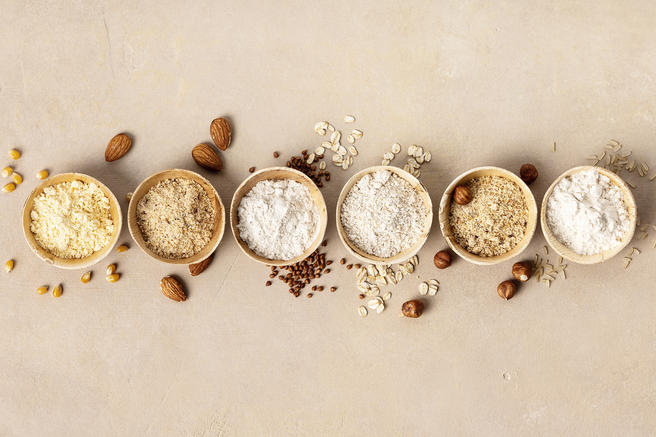
Dumas protein analysis for flour, seeds and oilseeds used in food quality control, nutritional labeling and raw material evaluation.
- Check batch-to-batch consistency
- Determine nitrogen and protein content
- Support breeding and research for improved nutritional properties
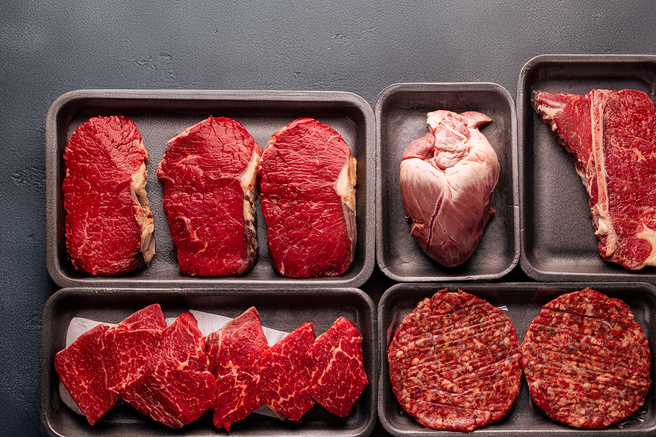
Fast nitrogen-to-protein determination for raw and processed meat products, supporting labeling, quality control and authenticity checks.
- Verify protein content in processed meat
- Support food fraud and authenticity control
- Monitor formulation and batch consistency
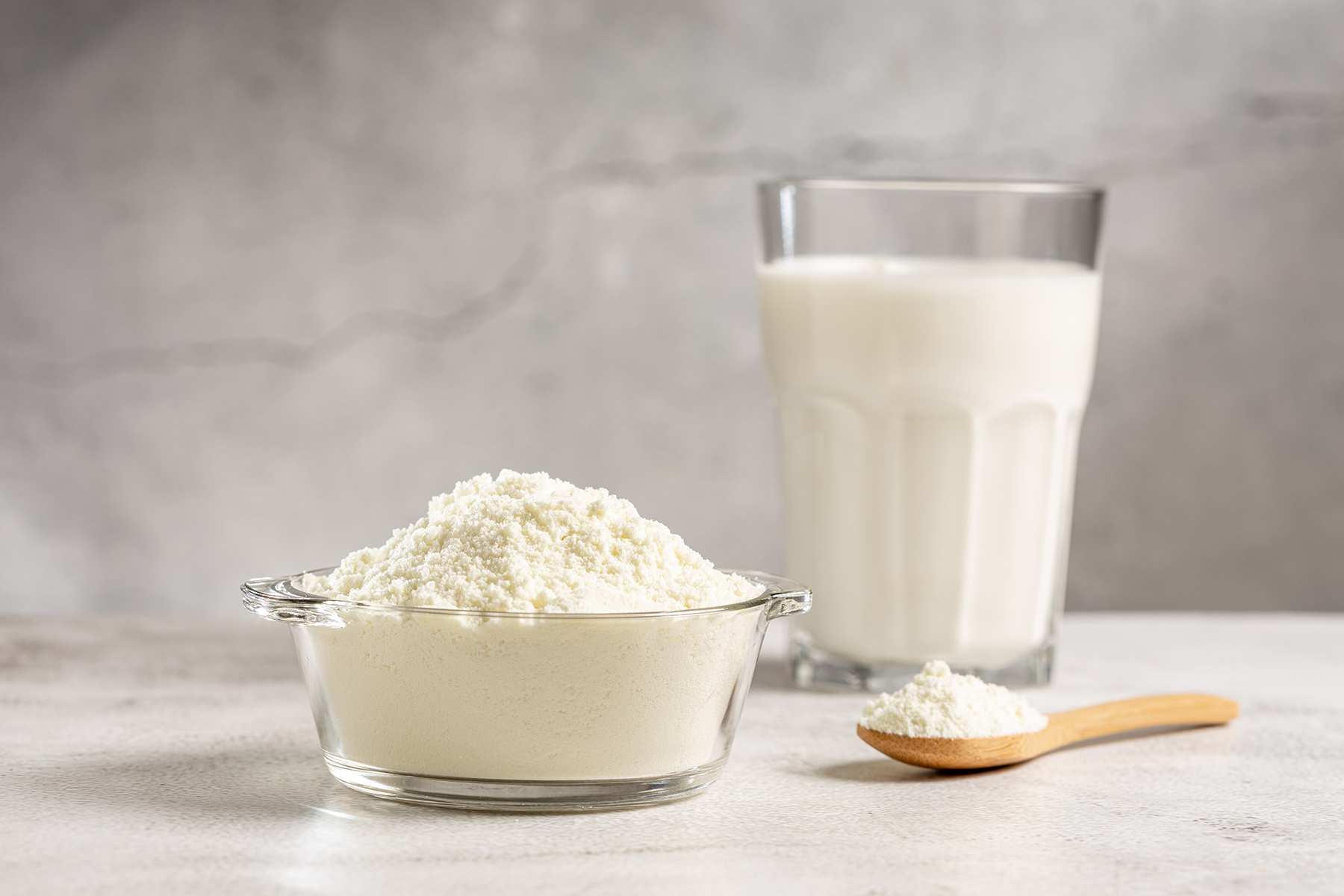
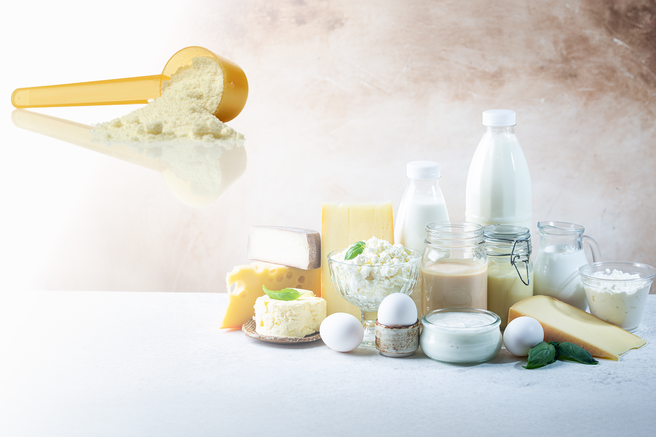
Protein determination in liquid and solid dairy samples, including milk, yogurt, cheese and milk-based ingredients.
- Analyze solid, liquid and paste-like dairy samples
- Determine protein content for nutritional labeling
- Support product grading, formulation and quality control
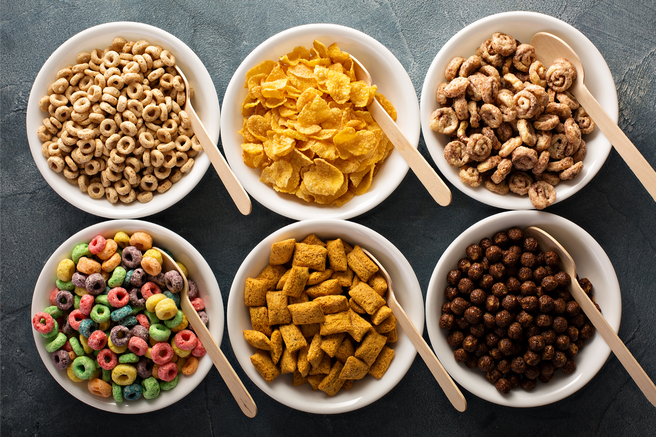
Carbon and nitrogen analysis for cereals and grains, supporting protein determination, roasting control and quality assessment.
- Monitor protein content in cereal-based products
- Support quality control of roasting or overprocessing effects
- Check consistency in grain milling and food production
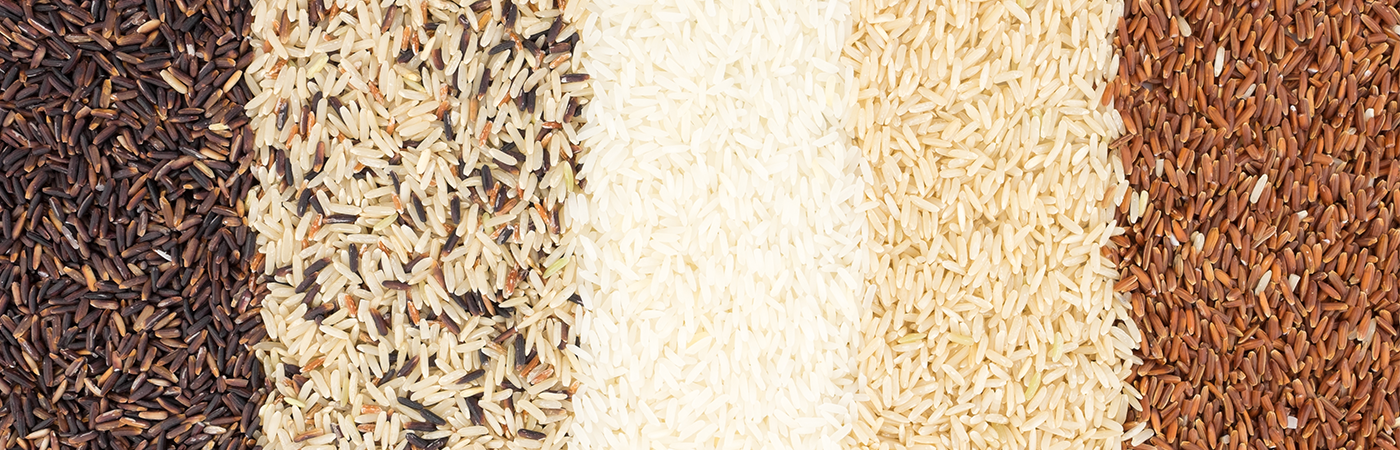
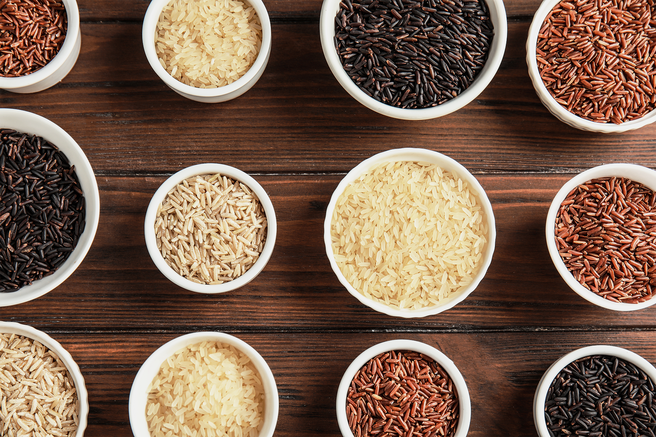
Dumas protein analysis for rice and rice-based products, supporting nutritional research, quality control and product development.
- Determine protein content for labeling and QC
- Support research into improved rice varieties
- Check nutritional properties and batch consistency
Beyond Protein: Stability and Shelf-Life of Dairy and Food Formulations
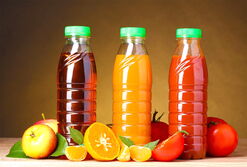
Protein content is only one part of food quality control. For dairy products, beverages, emulsions and reconstituted powders, physical stability, particle behavior and shelf-life are also critical. Microtrac solutions help characterize food dispersions, emulsions and powders to support formulation and quality control.
ELEMENTRAC CN-r: The ELTRA Solution for Food Protein Analysis
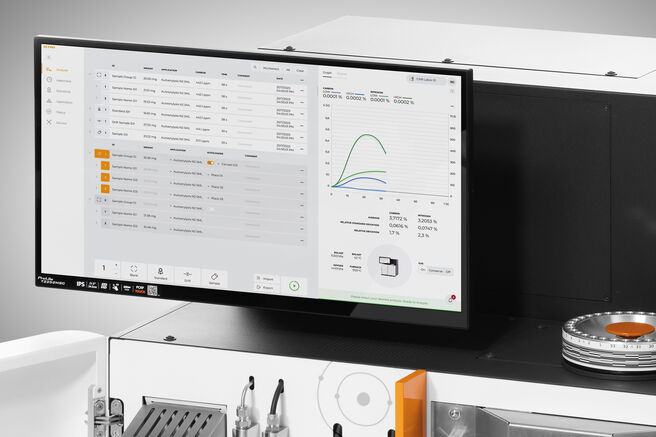
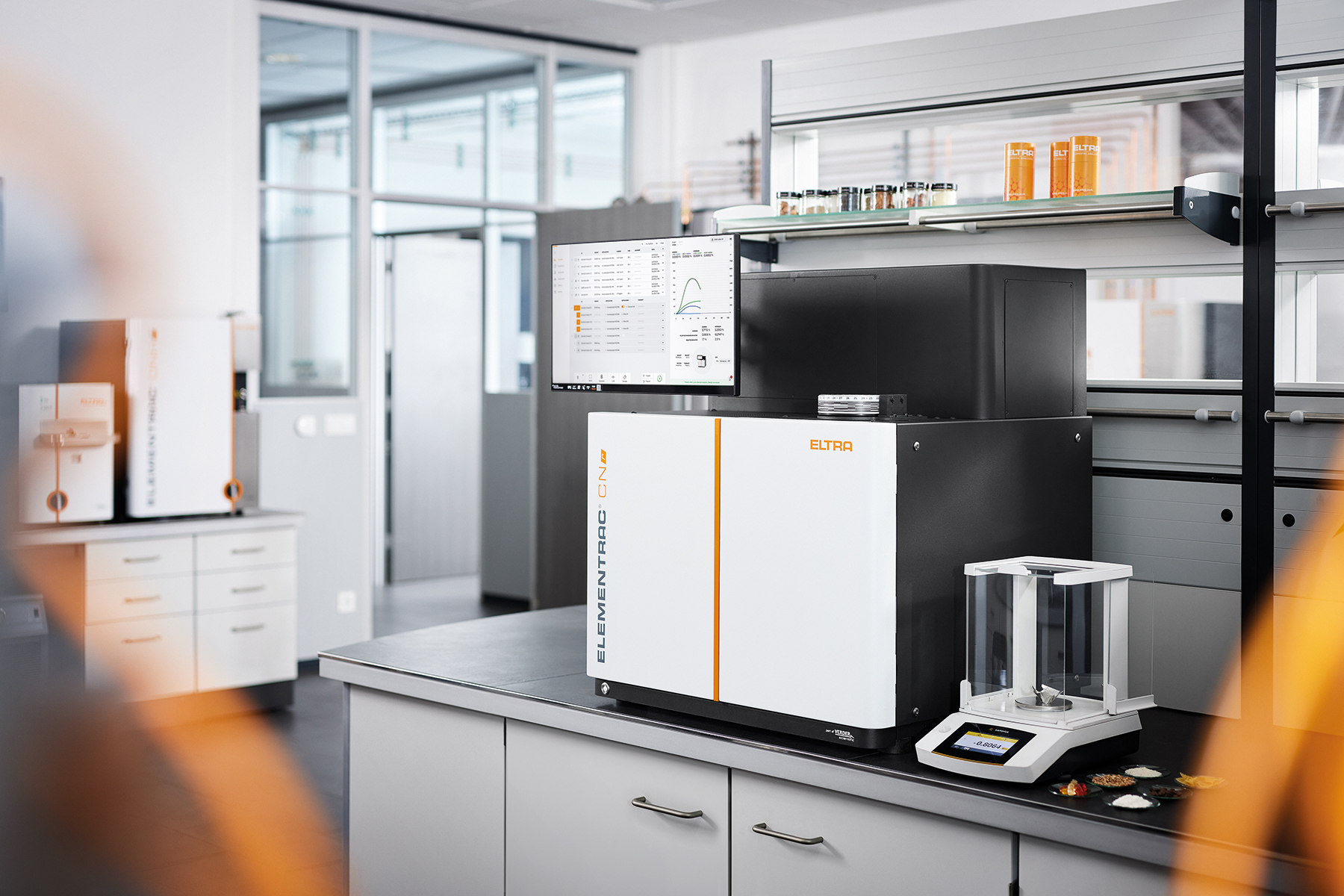
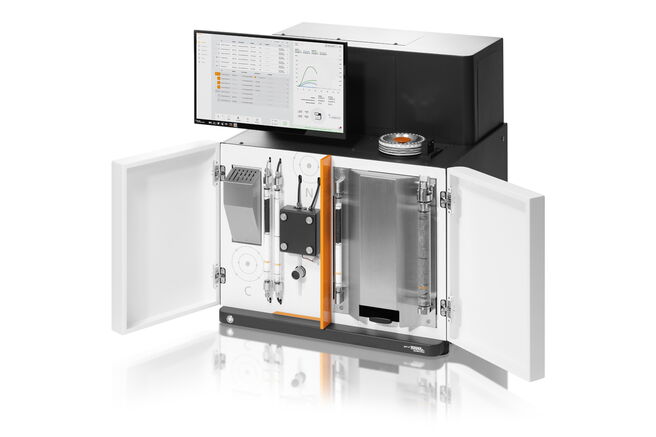
The ELEMENTRAC CN-r is ELTRA’s carbon, nitrogen and protein analyzer for fast Dumas protein analysis in food quality control. It determines nitrogen/protein and carbon in food samples with short analysis times, automated sample handling and reliable results for routine laboratories working with cereals, flour, seeds, meat, dairy products, rice and processed foods.
For food laboratories that need fast, reproducible and standard-compliant protein data, the ELEMENTRAC CN-r provides an efficient analytical workflow based on the Dumas combustion method. The analyzer combusts the complete sample in a pure oxygen atmosphere and determines nitrogen with a thermal conductivity detector, while carbon is measured by infrared detection.
This makes the system suitable for routine food quality control, nutritional labeling, supplier qualification, product grading and batch-to-batch consistency checks. With an analysis time of 2 minutes and 30 seconds per sample, the ELEMENTRAC CN-r helps laboratories process high numbers of food samples with reduced manual handling and minimal downtime.
Key benefits for food laboratories
- Fast Dumas protein analysis in 2 minutes and 30 seconds per sample
- Nitrogen/protein and carbon determination in one analytical platform
- Suitable for solid, liquid and paste-like food samples
- Automated workflow for high-throughput QA/QC laboratories
- No aggressive wet chemistry, supporting safer routine operation
- Clear sample identification with autosampler support
- Easy maintenance, with rapid consumable replacement
Technical Working Range
The ELEMENTRAC CN-r is designed for flexible carbon and nitrogen analysis across different food sample types and sample weights. Its working range supports routine Dumas analysis of solid, liquid and paste-like food matrices used in food quality control.
| Parameter | Working range |
|---|---|
| Nitrogen | 0.03-300 mg |
| Carbon | 0.02-175 mg |
| Typical sample weight | Up to 1.0 g |
| Nominal sample weight | 0.5 g |
Standard-Compliant Dumas Protein Analysis for Food Laboratories
The Dumas combustion method is widely used for nitrogen and protein determination in food quality control. Many international and industry-specific standards include Dumas analysis for food, cereals, oilseeds, dairy products, meat products, animal feed, beer and wine. With the ELEMENTRAC CN-r, laboratories can perform fast, reproducible carbon, nitrogen and protein analysis in workflows aligned with common food analysis standards.
For food manufacturers and quality control laboratories, standard compliance is essential for reliable results, audit-ready documentation and comparable data across production sites, suppliers and product categories.
The ELEMENTRAC CN-r supports Dumas-based nitrogen and protein analysis for a wide range of food matrices. Depending on the sample type, laboratories can work according to recognized standards from organizations such as ISO, AOAC, AACC, AOCS, DIN, GAFTA, ICC, IDF, LFGB, MEBAK and OIV.
The table below summarizes common standards for Dumas protein analysis and related carbon/nitrogen determination in food and feed applications.
| Samples | Standards |
|---|---|
| Oilseeds, cereals & grains | • AACC 46-30 • AOAC 992.23 • AOCS Ba 4e-93 • DIN EN ISO 16634-1, DIN EN ISO 16634-2 • GAFTA Method 4:2 • ICC Standard No. 167 |
| Food | • AOCS Ba 4f-00 • ISO 16634-1, ISO TS 16634-2 • §64 LFGB methods 17.00-18, 18.00-18, 22.00.2, 48.01-26 |
| Meat & Meat products | • AOAC 992.15 • § 64 LFGB 06.00-20 |
| Dairy & dairy Products | AOAC 992.15 • ISO 14891 / IDF 185 • § 64 LFGB methods 01.00.60, 02.00.24, 03.00.27, 48.01-26 |
| Animal feed | • AOAC 976.05, AOAC 968.06, AOAC 990.02, AOAC 990.03 • AACC 46-30 • DIN EN ISO 16634-1 • GAFTA Method 4:2 |
| Beer | • AOAC 920.53, AOAC 950.09, AOAC 997.09 • MEBAK 2.6.1.2 |
| Wine | • OIV-MA-AS323-02A |
Standard-compliant analysis helps laboratories compare results across batches, suppliers and production sites. Combined with short analysis times, automation and reduced wet chemistry handling, Dumas analysis with the ELEMENTRAC CN-r is well suited for routine food quality control and high-throughput laboratory workflows.

Complementary Food QC: Ash and Inorganic Residue Analysis
For a broader view of food composition, protein and carbon/nitrogen analysis can be complemented by ash determination. Carbolite ashing furnaces support food and feed laboratories in determining inorganic residue and mineral-related parameters as part of routine quality control.

Robust Results for Food Protein Analysis
The ELEMENTRAC CN-r delivers reproducible nitrogen and protein results for different food matrices. Example measurements on wheat and minced meat show low relative deviation across repeated analyses, supporting reliable Dumas protein determination for routine food quality control.
Reliable protein analysis requires more than fast measurement times. Food laboratories also need reproducible results across repeated measurements, different sample types and routine operating conditions.
Using the Dumas combustion method, the ELEMENTRAC CN-r determines nitrogen/protein and carbon with high precision. The example measurements below show repeated analyses of ground wheat and minced meat samples. In both cases, nitrogen content was measured and converted into protein content using the appropriate nitrogen-to-protein conversion factor.
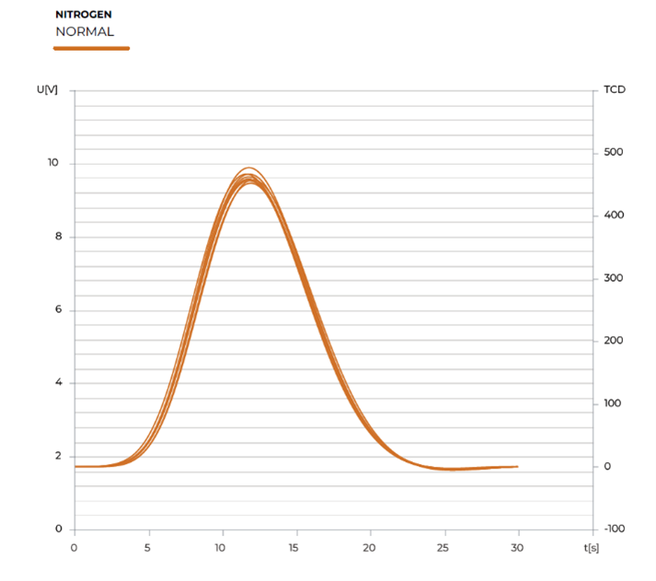
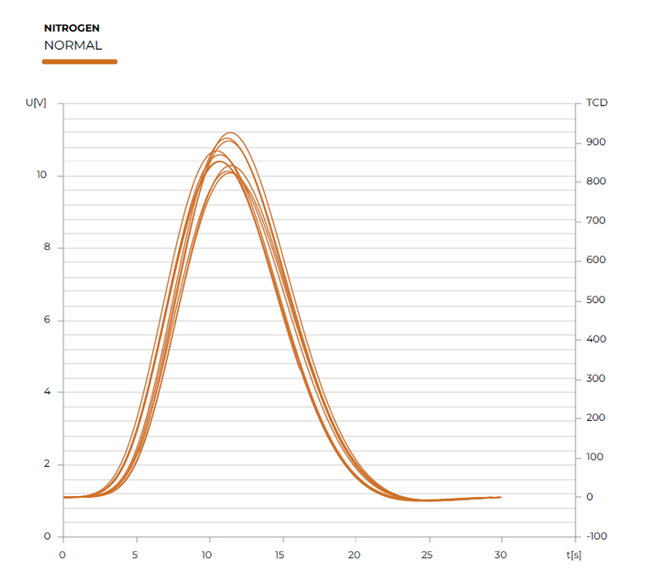
For wheat, a protein factor of 5.7 was used. For minced meat, a protein factor of 6.25 was used. The results demonstrate stable nitrogen and protein values across ten repeated measurements.
| Sample | Protein factor | Mean nitrogen [%] | Mean protein [%] | Relative Deviation [%] |
|---|---|---|---|---|
| WHEAT | 5.70 | 1.70 | 9.70 | 1.012 |
| MINCED MEAT | 6.25 | 3.587 | 22.418 | 0.902 |
The following repeated measurements show the nitrogen and protein results obtained for ground wheat and minced meat samples using the ELEMENTRAC CN-r. The detailed data can be used to document reproducibility across multiple analyses.
| Weight [mg] | Nitrogen [%] | Protein[%] |
|---|---|---|
| 400.69 | 1.69 | 9.65 |
| 400.28 | 1.70 | 9.67 |
| 400.87 | 1.72 | 9.78 |
| 400.04 | 1.72 | 9.80 |
| 400.29 | 1.67 | 9.50 |
| 400.54 | 1.69 | 9.65 |
| 400.42 | 1.70 | 9.67 |
| 400.82 | 1.70 | 9.69 |
| 400.76 | 1.73 | 9.86 |
| 400.64 | 1.70 | 9.68 |
| Mean value | 1.70 | 9.70 |
| Deviation [%] | 0.017 | 0.098 |
| Relative Deviation [%] | 1.012 | 1.012 |
Figure 1: Nitrogen levels and peaks obtained using the ELEMENTRAC CN-r for ground wheat samples. A protein factor of 5.7 was used.
| Weight [mg] | Nitrogen [%] | Protein[%] |
|---|---|---|
| 362.42 | 3.60 | 22.48 |
| 381.03 | 3.55 | 22.21 |
| 346.53 | 3.66 | 22.89 |
| 374.59 | 3.59 | 22.46 |
| 340.80 | 3.56 | 22.26 |
| 362.60 | 3.56 | 22.28 |
| 350.58 | 3.57 | 22.28 |
| 343.73 | 3.57 | 22.30 |
| 381.51 | 3.60 | 22.52 |
| 350.21 | 3.60 | 22.50 |
| Mean value | 3.587 | 22.418 |
| Deviation [%] | 0.032 | 0.202 |
| Relative Deviation [%] | 0.902 | 0.902 |
Figure 2: Nitrogen levels and peaks obtained using the ELEMENTRAC CN-r for minced meat samples. A protein factor of 6.25 was used.
These example measurements show that the ELEMENTRAC CN-r can provide stable nitrogen and protein results across different food matrices. Combined with short analysis times, automated sample handling and Dumas combustion analysis, the system supports routine protein determination in food quality control laboratories.
Explore the Complete Food & Beverage Analysis Workflow
Food quality control often requires more than one analytical method. Across the Verder Scientific group, laboratories can combine sample preparation, elemental analysis, particle characterization, stability testing and ashing solutions for food and beverage applications.
Food Protein Analysis by Dumas Combustion - FAQ
What is the Dumas method for protein analysis?
The Dumas method is a combustion-based technique used to determine protein content by measuring total nitrogen. The food sample is combusted at high temperature, nitrogen compounds are converted into measurable nitrogen gas, and the nitrogen result is then converted into protein using a suitable conversion factor.
How does nitrogen analysis determine protein content in food?
Proteins contain nitrogen in the form of amino acids. By measuring the total nitrogen content of a food sample and multiplying it by an established nitrogen-to-protein conversion factor, laboratories can calculate the protein content. The general formula is: Protein (%) = Nitrogen (%) × Factor.
Which nitrogen-to-protein conversion factors are used for food samples?
The conversion factor depends on the food matrix. Common examples include 6.38 for milk, 5.95 for rice, 5.70 for wheat flour, 5.71 for soybeans, and 5.30 for nuts and seeds. Selecting the right factor is important because different food proteins have different nitrogen contents.
Is the Dumas method faster than Kjeldahl?
Yes. Both Dumas and Kjeldahl determine total nitrogen and convert it into protein, but the workflows are different. Kjeldahl is based on wet chemistry, while Dumas uses combustion analysis. With the ELEMENTRAC CN-r, nitrogen/protein and carbon results are available in 2 minutes and 30 seconds per sample.
Which food samples can be analyzed with the ELEMENTRAC CN-r?
The ELEMENTRAC CN-r can be used for a wide range of food matrices, including cereals, flour, seeds, dairy products, meat products, rice products and processed foods. It is suitable for solid, liquid and paste-like samples, making it useful for routine food quality control laboratories.
Why measure both carbon and nitrogen in food samples?
Nitrogen is used as the basis for protein determination, while carbon provides information about the total organic composition of a food sample. Measuring both carbon and nitrogen helps laboratories monitor nutritional value, formulation consistency, batch-to-batch stability and possible processing effects.
Is Dumas protein analysis suitable for high-throughput food laboratories?
Yes. Dumas analysis is well suited for high-throughput food laboratories because it provides fast results, supports automation and reduces manual handling. The ELEMENTRAC CN-r is designed for routine operation and can support laboratories processing large numbers of samples for QA/QC, labeling and batch release.
Which standards support Dumas protein analysis in food?
Dumas protein analysis is included in many recognized food and feed analysis standards. Depending on the sample type, relevant standards may include ISO, AOAC, AACC, AOCS, DIN, GAFTA, ICC, IDF, LFGB, MEBAK and OIV methods. The applicable standard should always be selected according to the specific food matrix.